
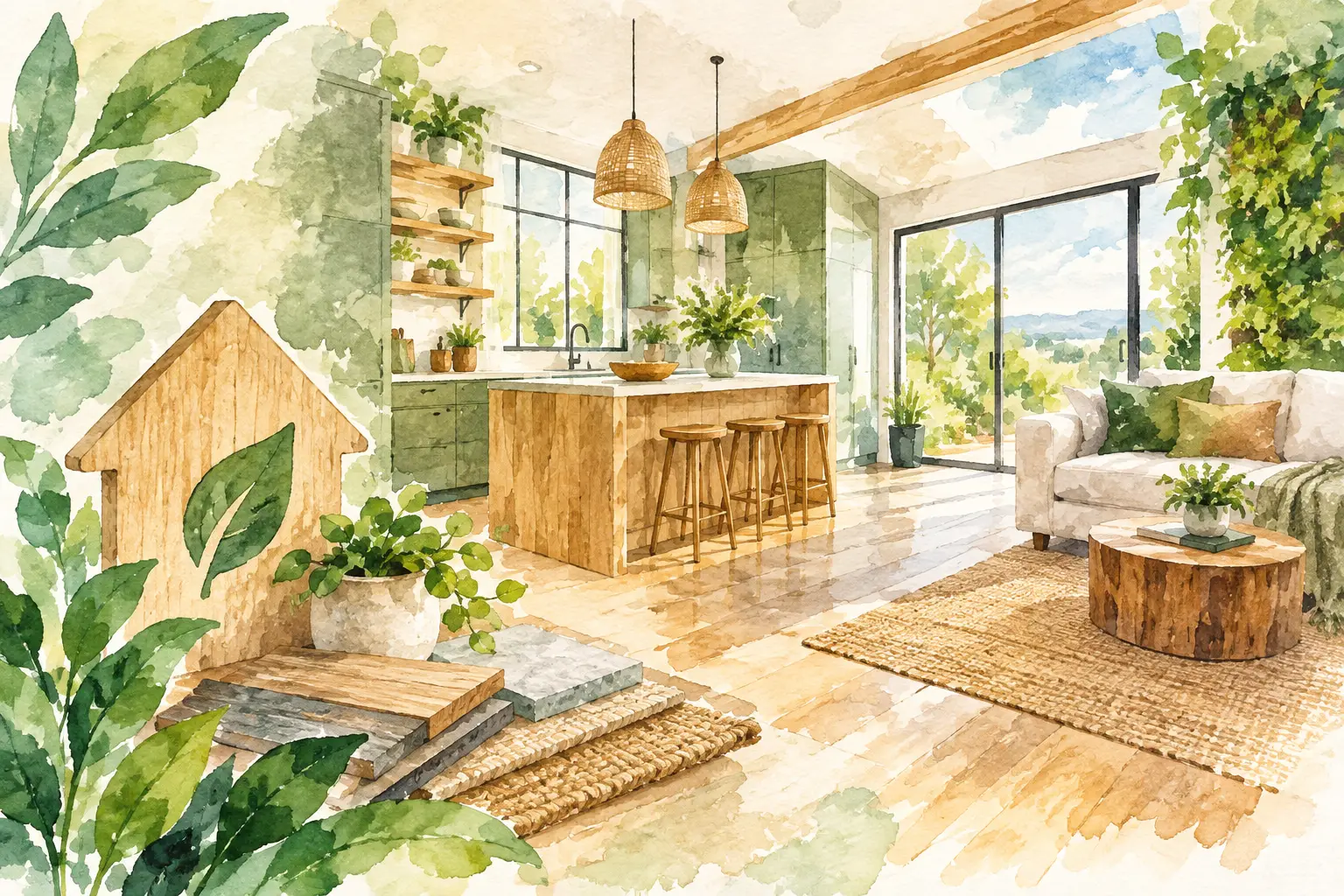
A kitchen cabinet door that still closes well does not automatically belong in a landfill. A bathroom layout that wastes space does not always need a full gut renovation, either. The most useful sustainable remodeling trends start with those practical decisions: preserve what is working, replace what is not, and choose improvements that make your home more comfortable for years.
For Louisville-area homeowners, sustainability is rarely about chasing a look or making a statement. It is about avoiding needless replacement, lowering energy and water use, selecting materials that hold up to busy family life, and building spaces that will not feel dated or inconvenient in a few years. A thoughtful remodel can reduce waste while solving the everyday problems that made you consider renovating in the first place.
One of the strongest trends in sustainable remodeling is also one of the least flashy: renovating with intention. Rather than tearing out every surface by default, homeowners are asking what can be retained, repaired, refinished, or incorporated into a new plan.
That could mean keeping a sound kitchen footprint while improving storage, replacing only damaged flooring, or refinishing hardwood instead of covering it. In some kitchens, cabinet refacing can provide a meaningful visual and functional refresh when the cabinet boxes are structurally sound and the existing layout serves the household well. New doors, drawer fronts, hardware, countertops, and a backsplash can significantly change the room without discarding usable cabinetry.
There are limits. If cabinets have water damage, poor construction, shallow storage, or a layout that creates daily frustration, refacing may not be the best long-term choice. Likewise, an older bathroom may need more than cosmetic work if plumbing, ventilation, or subfloor conditions need attention. Sustainable decisions should support the life of the home, not postpone a necessary repair.
The greenest material is not always the one with the most eco-friendly label. It is often the one that performs well for a long time in the space where it is installed. A finish that chips, swells, stains, or wears out quickly can lead to another round of replacement far sooner than expected.
In kitchens and bathrooms, homeowners are gravitating toward durable, low-maintenance choices that suit real routines. Quartz countertops remain popular because they are nonporous and easy to care for, though their manufacturing process means they are not a perfect answer for every project. Natural stone offers a different look and can last for decades, but it requires periodic sealing and more attentive maintenance. The right choice depends on how the household cooks, cleans, and uses the room.
For floors, quality tile, refinished hardwood, and well-made luxury vinyl products can all make sense depending on moisture exposure, budget, and the condition of the existing subfloor. The goal is not to pick one material category for every home. It is to avoid short-lived products and install materials correctly so they can do their job.
Low-VOC paints, adhesives, caulks, and finishes are also becoming standard requests, especially for families remodeling occupied homes. These products can help reduce strong indoor odors and improve the experience of living around a project. They are particularly worth discussing in bedrooms, bathrooms, basements, and kitchens where air circulation can be limited during construction.
A beautiful kitchen can still be uncomfortable if the room overheats in the afternoon, feels drafty in winter, or relies on outdated appliances. Energy efficiency is becoming a more natural part of remodeling conversations because homeowners can see and feel the results every day.
When walls, ceilings, or floors are opened during a renovation, it can be a good time to address insulation gaps, air leaks, and ventilation concerns. These are not always visible upgrades, but they can support more consistent indoor temperatures and help the home use less energy. The opportunity is especially valuable in older Louisville homes, where additions, renovations from different eras, and aging building materials can create uneven comfort from room to room.
Lighting is another area where small choices add up. LED recessed lights, under-cabinet lighting, and properly placed task lighting use less energy than older options while making kitchens and bathrooms easier to use. Better lighting design can also reduce the urge to over-light a room. A well-positioned fixture at the vanity or prep area is more useful than a ceiling filled with lights that create shadows where you need visibility.
Appliance selection deserves a practical conversation, too. Energy-efficient dishwashers, refrigerators, and laundry equipment can lower ongoing utility use, but size and features should match the household. Buying more appliance capacity than you need is not automatically sustainable. The best fit is reliable, appropriately sized, and likely to be used for many years.
Bathroom remodeling is one of the clearest places to see sustainable upgrades at work. Modern low-flow toilets, efficient showerheads, and WaterSense-labeled faucets can reduce water use without creating the weak pressure or poor performance homeowners may remember from older products.
A well-planned shower also uses water more wisely. Features such as a thermostatic valve can help maintain a consistent temperature, reducing the time spent adjusting controls. A handheld showerhead can make cleaning easier and support aging-in-place needs. If a large multi-head shower is part of the design, it is worth understanding its water demand before making a final selection. Luxury and conservation can coexist, but the details matter.
Just as important is moisture management. Proper exhaust ventilation, durable tile installation, sound waterproofing, and materials suited for wet areas protect the remodel from mold, rot, and early failure. Preventing a future tear-out is one of the most meaningful forms of sustainability in a bathroom.
A remodel that adapts to changing needs can reduce the pressure to move or renovate again in just a few years. That is why flexible design is gaining ground alongside energy and material considerations.
In kitchens, this may mean deeper drawers instead of hard-to-reach lower cabinets, a pantry designed around the groceries your family actually buys, or a more open connection between cooking and gathering areas. In bathrooms, it can mean a curbless shower, wider clearance, blocking inside walls for future grab bars, or better vanity storage. These are not one-size-fits-all upgrades. They are choices that help a home remain useful through changing routines, injuries, growing families, and aging.
Basement remodeling can follow the same principle. An underused lower level can become a flexible family room, guest space, home office, or recreation area rather than an area that sits unfinished and uncomfortable. Before selecting finishes, moisture conditions, insulation, and egress requirements should guide the plan. A sustainable basement renovation starts with a dry, healthy foundation for the finished space.
Construction waste is influenced long before demolition day. Accurate measurements, thoughtful design, realistic material ordering, and clear product selections all help reduce excess purchases and last-minute changes. A contractor who takes time to understand the home and the homeowner’s priorities can often prevent expensive waste caused by rushed decisions.
Some existing materials may also have a second life. Solid doors, usable cabinetry, fixtures, trim, and hardware can sometimes be reused within the project or set aside for donation or salvage where appropriate. Not every item is worth saving, particularly if it is damaged, inefficient, or incompatible with the new design. Still, assessing before discarding is a worthwhile habit.
Local remodeling also offers a practical advantage. Working with a family-owned team familiar with homes across Louisville and Southern Indiana means the plan can account for regional building styles, seasonal conditions, and the realities of renovating an occupied home. At 3C Remodeling and Construction, the focus is on helping homeowners make decisions that fit their space, budget, and daily life rather than pushing a standard package.
The most sustainable remodel is not defined by a single product or a showroom trend. It is defined by good planning, sound installation, durable choices, and a layout that makes your home easier to live in. Start by identifying the problems you want the renovation to solve, then prioritize improvements that will continue paying off in comfort, function, and reduced upkeep.
A better home should not ask more of your time, energy, or resources after the project is complete. It should quietly support the way your family lives, one well-considered choice at a time.
Business Name: 3C Remodeling and Construction
Address: 1902 Campus Pl Suite 12, Louisville, KY 40299
Phone: 502-827-1361
Business Hours:
Mon - Fri: 08:00 AM to 05:00 PM
Sat-Sun: Closed
Referral program available