
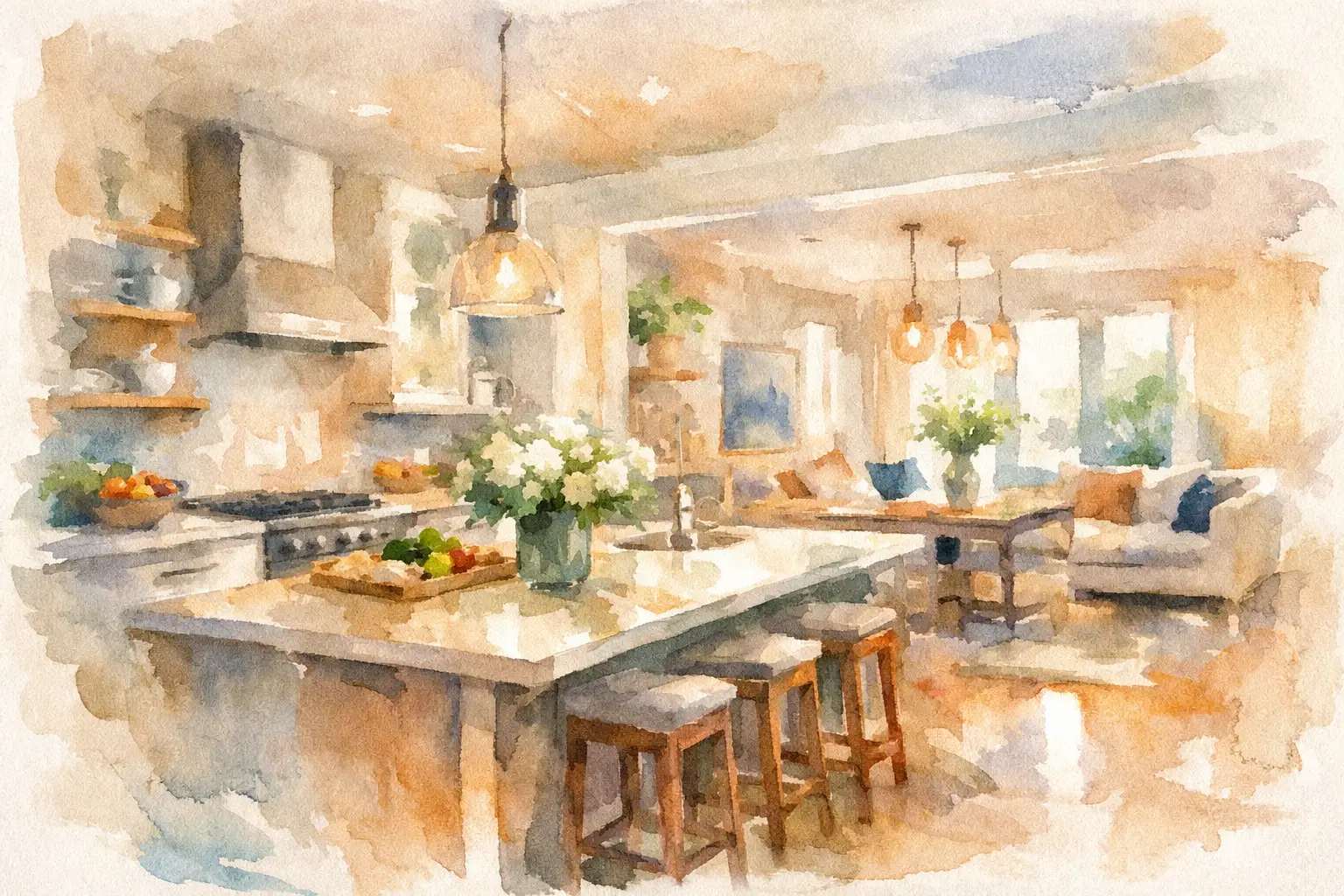
A closed-off kitchen can make the busiest room in the house feel smaller than it really is. If you’re collecting open concept kitchen remodel ideas, you’re probably not just looking for a prettier space. You want better flow, more usable storage, easier conversation, and a layout that fits the way your household actually moves through the day.
That is where open concept remodeling can make a real difference. Done well, it connects cooking, dining, and living areas without making the kitchen feel exposed or chaotic. The best results usually come from balancing openness with structure, so the room feels connected but still works hard.
For many families, the kitchen is where everything happens. Meals, homework, quick conversations before work, holiday hosting, and late-night cleanups all compete for the same square footage. Opening the kitchen to nearby rooms can help the whole main level feel brighter and more social.
But there is a trade-off. Removing walls does not automatically create a better kitchen. Sometimes it improves sightlines but reduces cabinet space. Sometimes it adds room for seating but leaves appliances in awkward positions. That is why the strongest open layouts are built around function first, then style.
One of the most practical open concept kitchen remodel ideas is swapping a wall or peninsula for a well-sized island. This change can open up the room while giving some of that lost function back through base cabinets, drawers, trash pullouts, and seating.
The key is proportion. An island that is too large can block movement just as much as a wall did. An island that is too small may look nice but fail to earn its space. In many homes, the sweet spot is an island that creates prep space on one side and casual seating on the other, with enough clearance for traffic around it.
When the kitchen opens into a living or dining area, flooring matters more than people expect. Keeping the same flooring through connected spaces can make the main level feel larger and more unified. It also helps the kitchen feel intentional instead of looking like it stops abruptly at an old threshold.
That said, material choice still depends on how your home is used. A family with kids, pets, and heavy traffic may need a tougher surface than someone who cooks lightly and prioritizes a warmer look underfoot. The right flooring has to support both the design and the wear it will take.
A common concern with open kitchens is storage loss. Upper cabinets and wall space often disappear when you remove partitions, so you need another plan before demolition starts.
This might mean deeper island cabinets, a pantry wall, tall cabinetry around the refrigerator, or built-in storage near the dining area. In some remodels, a separate beverage station or hutch-style cabinet helps spread storage across the open space without crowding the main work zone. Good open design is not about having fewer cabinets. It is about putting storage in smarter places.
One of the biggest mistakes in open remodeling is treating the whole area as one big blank space. The room may be open, but it still needs structure. Cooking, cleanup, seating, serving, and gathering all work better when each function has a clear home.
Lighting, cabinetry placement, ceiling details, and furniture arrangement can define zones without putting walls back. A kitchen island can separate prep from lounging. A change in pendant lighting can signal the center of the kitchen. A built-in banquette or a dining light fixture can anchor the eating area. These details make an open floor plan feel organized rather than scattered.
Open kitchens still need to function as kitchens. The sink, range, and refrigerator should feel connected enough to support cooking without forcing too much backtracking. If an open layout stretches these elements too far apart, the kitchen may look larger while becoming less efficient.
This is especially important in older homes where the original layout was not designed for open living. A remodel may require more than removing a wall. It might call for relocating appliances, reworking plumbing or electrical, and correcting circulation issues so the room feels natural.
Open layouts put the kitchen on display. That can be great when the space is clean and organized, but less ideal when dishes pile up or countertop appliances take over. If your kitchen is visible from the main living area, clutter control becomes part of the design.
Drawers often work better than lower cabinets for cookware and utensils. A pantry can keep everyday items off the counters. Appliance garages, trash pullouts, and built-in organizers help preserve the open, clean look people want. If you love to cook but do not want every part of the process visible, a partial wall, tall pantry section, or strategic island placement can soften the view.
This is one of those details that gets overlooked early and regretted later. In an open concept kitchen, cooking smells and appliance noise travel farther. A strong range hood, thoughtful appliance selection, and good ventilation matter more when the kitchen shares air and sound with the rest of the living space.
This does not mean open concept is the wrong choice. It just means the remodel should account for how the room will feel when dinner is on the stove, the dishwasher is running, and people are watching TV ten feet away.
In an open kitchen, cabinets are part of the larger room, not just the kitchen itself. Their color, profile, and height affect how the entire area feels. Lighter finishes can help the room feel bigger, while medium wood tones or painted lowers can add warmth and definition.
There is no single right answer here. A bright white kitchen may suit one home beautifully, while another benefits from contrast that gives the space more depth. What matters is making sure the cabinetry connects with adjacent rooms instead of feeling dropped into a separate design scheme.
Open concept kitchens need more than one light source. Recessed lights can provide overall coverage, pendants can define the island, and under-cabinet lighting can improve prep tasks and add a softer evening feel.
The reason this matters is simple. In a closed kitchen, lighting can be more utilitarian. In an open one, the kitchen is part of the home’s shared living environment. It has to support cooking, but it also has to feel comfortable when guests are over or the day is winding down.
The island often becomes the center of an open kitchen, so it should support more than food prep. Seating for two to four people can give family members a place to gather without getting in the cook’s way. Storage underneath can reduce clutter elsewhere. In some homes, adding a prep sink or microwave drawer makes the island even more useful.
Still, more features are not always better. An island packed with too many functions can become crowded. Sometimes a simpler island with generous seating and clean storage is the better long-term choice.
Open kitchens are popular for good reason, but they are not automatically right for every home. If the existing walls are helping with privacy, storage, or structural support, the remodel needs a careful plan. Some homes benefit from a fully open layout, while others work better with a wider cased opening, a half wall, or a redesigned footprint that improves flow without removing every boundary.
That is often where experienced guidance matters most. A family-owned remodeling team like 3C Remodeling and Construction can help homeowners weigh layout options based on real-life use, not just photos for inspiration. The goal is not to make your home look like someone else’s. It is to create a kitchen that feels easier to live in every day.
The best open concept kitchen remodel ideas start with an honest look at how your household cooks, gathers, stores, and moves. Once that is clear, the design choices get a lot easier – and the finished space tends to feel right for years, not just right after reveal day.
Business Name: 3C Remodeling and Construction
Address: 1902 Campus Pl Suite 12, Louisville, KY 40299
Phone: 502-827-1361
Business Hours:
Mon - Fri: 08:00 AM to 05:00 PM
Sat-Sun: Closed
Referral program available