
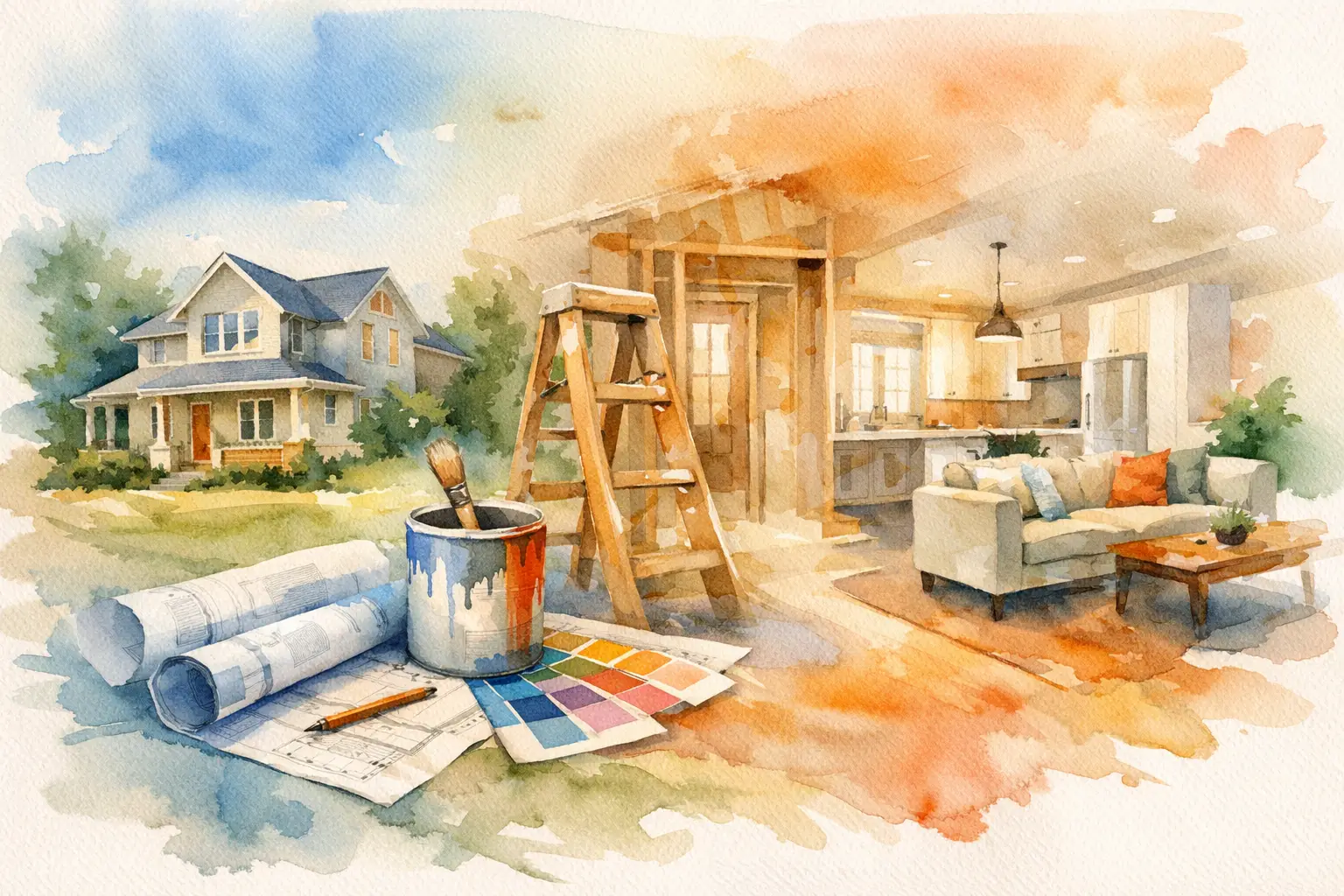
Most whole-house projects do not go off track because of one big mistake. They drift because small decisions pile up too late – the budget was vague, the layout was never fully settled, or nobody planned how the family would live through construction. A solid whole home renovation checklist helps prevent that. It gives you a clear path before demolition starts, so the project feels organized instead of overwhelming.
If you are renovating an older home, updating several rooms at once, or trying to fix a layout that no longer fits your family, the goal is not just to make things look newer. The real goal is to improve how the house works every day. That means thinking beyond paint colors and countertops and focusing on flow, storage, comfort, and the order in which everything needs to happen.
Before you price anything, get clear on why you are renovating. Some homeowners want a more open kitchen and better bathroom function. Others need to finish a basement, replace worn flooring, or make an older home feel easier to maintain. Those are not the same project, even if the budget range looks similar at first.
Start by separating wants from must-haves. A must-have solves a real problem, such as poor storage, a cramped layout, aging fixtures, water-damaged materials, or flooring that has reached the end of its life. A want might still matter, but it should come after the functional issues are identified.
This step matters because trade-offs are almost always part of a full renovation. If the budget gets tight, you need to know what protects daily living and what can wait for a second phase.
One of the most common renovation problems is trying to figure out scope while materials are already being chosen. It sounds efficient, but it usually creates confusion. You want to know exactly which spaces are being renovated, how far the work goes in each room, and whether the project includes structural, electrical, plumbing, flooring, or finish updates.
For example, a kitchen remodel inside a whole-home project might include removing a wall, relocating appliances, adding lighting, replacing floors throughout the main level, and updating trim so the new work matches the rest of the house. That is very different from simply replacing cabinets and counters.
When scope is clearly defined early, pricing becomes more realistic. It also helps your contractor identify the sequence of work and spot issues that can affect cost, such as outdated wiring, uneven subfloors, or plumbing that needs to be brought up to current standards.
Every whole home renovation checklist should include a working budget that covers more than the obvious selections. Homeowners often account for cabinets, tile, paint, and labor, but forget about permit fees, design revisions, temporary living costs, storage, or unforeseen repairs once walls are opened.
A realistic renovation budget usually includes three layers. First is the known project cost based on scope and selections. Second is a contingency fund for hidden conditions. Third is a comfort buffer for upgrades you may decide to make once the project is underway. Not every homeowner uses that third category, but it is better to acknowledge it than pretend it will not happen.
If financing is part of the plan, sort that out before construction scheduling begins. That keeps decisions grounded in what is actually workable rather than what looks good in a showroom.
A full-home renovation is the best time to fix how the house functions. This is where many of the biggest long-term gains happen. Wider walkways, smarter storage, better bathroom layouts, improved lighting, and more useful basement space can change daily routines far more than decorative upgrades alone.
Think about the moments that frustrate you now. Maybe the kitchen bottlenecks when more than one person is cooking. Maybe the primary bathroom lacks storage. Maybe the laundry area is awkward, or the basement is finished but not truly usable. These are the issues worth solving while walls, floors, and systems are already being addressed.
Good remodeling is not about chasing trends. It is about making rooms easier to live in for the next several years.
Once scope and budget are established, move room by room. This keeps the project manageable and helps you avoid conflicting choices.
In the kitchen, focus first on layout, cabinet function, appliance locations, lighting, and storage. In bathrooms, think about how many people use the space, what storage is missing, and whether the shower or tub setup still makes sense. In living areas and bedrooms, flooring continuity, trim updates, paint, lighting, and closet function usually have the biggest impact. In a basement, moisture control, lighting, ceiling height, and intended use should drive the design.
This process also helps you spot where it makes sense to invest more and where simpler updates are enough. Not every room needs the same level of renovation.
Selections look exciting, but they should serve the plan rather than lead it. A family with kids, pets, and heavy daily traffic may need durable flooring and easy-clean surfaces more than high-maintenance finishes. A homeowner planning to stay long term may prioritize comfort and storage over quick resale trends.
The best materials are not always the most expensive ones. They are the ones that hold up well, suit the home, and work with your lifestyle. It also helps to make finish selections early enough that lead times do not delay the construction schedule. Custom cabinetry, specialty tile, and certain plumbing fixtures can take longer than expected.
If your home has older architecture, think about continuity too. A renovated space should feel improved, not disconnected from the rest of the house.
Timeline planning is where stress can either be reduced or multiplied. Ask early whether you will live in the home during construction, move out completely, or phase the work. There is no universal right answer. It depends on project size, family routine, pets, school schedules, and which rooms will be out of service.
Living through a renovation can save money, but it adds inconvenience. If kitchens and bathrooms are heavily affected, daily life gets complicated fast. Moving out may cost more upfront, but for some families it makes the entire process easier.
It is also smart to think about seasonality. Exterior access, material deliveries, and holiday schedules can all affect timing. In areas around Louisville, weather can play a role in projects that involve windows, doors, additions, or major structural changes.
Homeowners should not have to guess how the project will be managed. Before work begins, make sure you understand who is handling permits, what inspections may be required, how schedule updates will be shared, and who your main point of contact will be.
This is one of the biggest differences between a chaotic remodeling experience and a well-run one. Clear communication does not eliminate every surprise, but it makes surprises easier to manage. You should know how change orders are handled, when key decisions must be finalized, and what happens if hidden issues are found once demolition begins.
A dependable contractor will walk you through that process in plain language and help set expectations from the start.
Even the best plan needs practical preparation. Remove or protect furniture, artwork, electronics, and valuables. Decide what stays accessible and what goes into storage. If flooring is being replaced across multiple rooms, assume more of the house will be affected than you first expect.
You should also plan for dust, noise, parking, deliveries, and limited access to certain spaces. Families with children, pets, or work-from-home routines should think through those details early. Small logistics can have a big effect on how manageable the renovation feels week to week.
A whole-home project has a lot of moving parts, and it is easy to get distracted by dozens of small decisions. The best checklist keeps bringing you back to the bigger purpose: making your home more comfortable, more functional, and better suited to the way you live.
That is the standard we believe in at 3C Remodeling and Construction. Whether a project centers on kitchens, bathrooms, flooring, or broader home improvements, the most successful renovations are the ones built around real household needs rather than rushed choices.
If your home no longer fits your routine, a well-planned renovation can change more than the look of the space. It can make everyday life feel easier, calmer, and more workable for years to come.
Business Name: 3C Remodeling and Construction
Address: 1902 Campus Pl Suite 12, Louisville, KY 40299
Phone: 502-827-1361
Business Hours:
Mon - Fri: 08:00 AM to 05:00 PM
Sat-Sun: Closed
Referral program available