
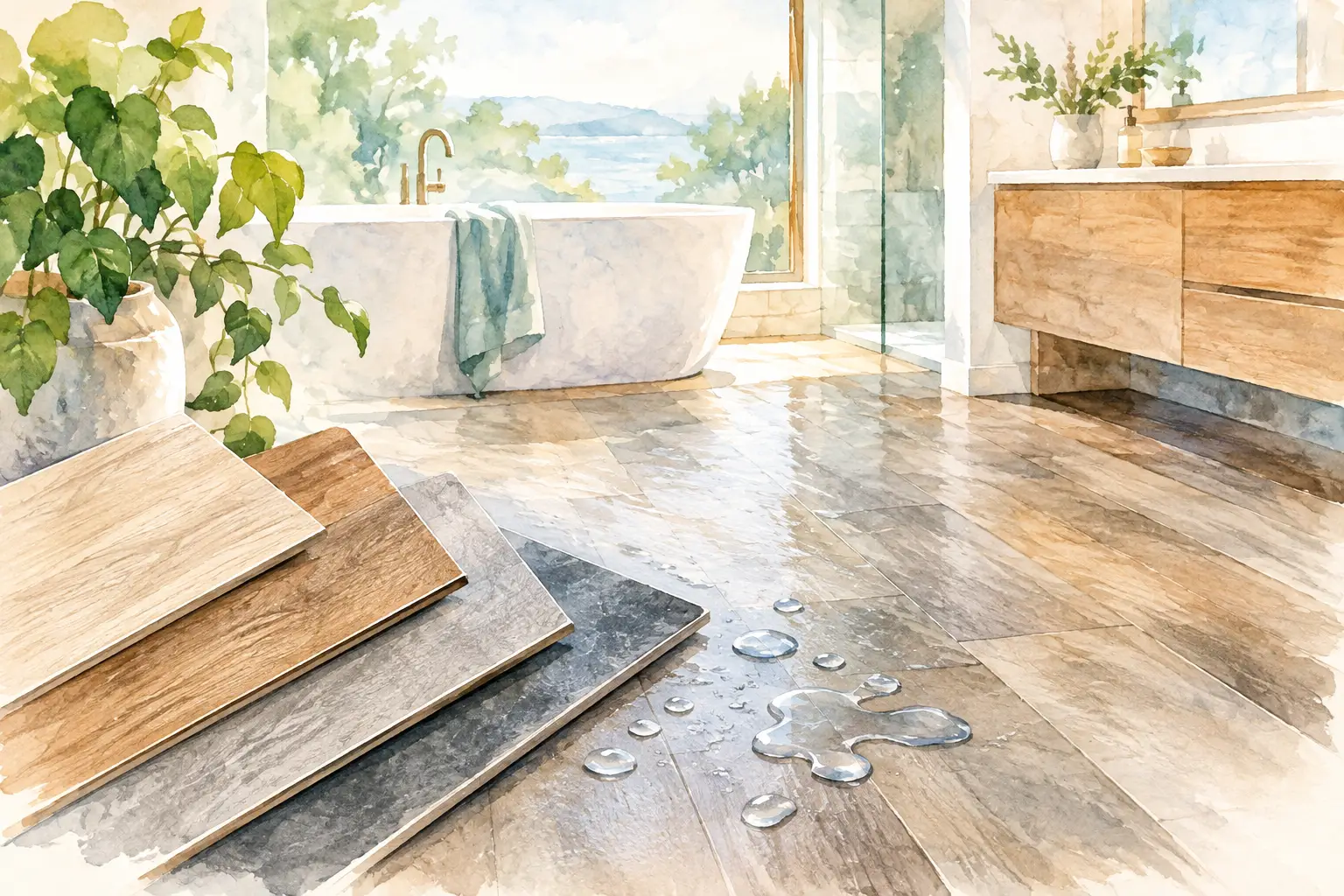
A kitchen floor sees more than its share of real life: wet shoes by the door, a dropped glass at dinner, a dishwasher leak, and children or pets moving through the room all day. A waterproof flooring for remodel review should look beyond a sample’s color and texture to answer the question that matters most: will this floor make daily life easier without creating problems later?
For many homeowners, waterproof flooring is a smart choice for kitchens, bathrooms, laundry rooms, finished basements, and open-concept main floors. Still, “waterproof” is not a guarantee that every product, installation, and subfloor situation can handle unlimited water. The best result comes from matching the material to the room, the home’s condition, and the way your family actually uses the space.
Waterproof flooring has earned its popularity because it solves a practical problem. Traditional hardwood can be beautiful, but standing water can stain, cup, or damage it. Carpet is not a natural fit for a bathroom or basement. Some older laminate floors can swell at their seams after even a small spill.
Today’s waterproof options offer more flexibility. They can provide a warm wood-look finish, a clean stone appearance, or a classic tile design while standing up better to routine moisture. That makes them especially useful during a larger remodel, when updating the layout and finishes gives homeowners a chance to choose materials that work harder for their household.
The trade-off is that the word waterproof can mean different things depending on the product. A waterproof core may resist damage from a spill, but water can still travel around the edges of the room, through an unsealed transition, or beneath the floor after a plumbing leak. Manufacturer warranties also have specific conditions. A reliable flooring decision should account for those details rather than rely on a label alone.
Luxury vinyl plank, often called LVP, and luxury vinyl tile are among the most practical waterproof flooring choices for a remodel. They are comfortable underfoot compared with ceramic tile, easy to clean, and available in styles that resemble natural wood or stone. Many homeowners also appreciate that vinyl flooring can create a consistent look from the kitchen into the dining room, hallway, or living area.
Quality varies considerably. A thicker wear layer generally offers better resistance to scratches and everyday scuffs, which matters in homes with active kids, pets, and frequent guests. The core construction matters, too. Some rigid-core products help hide minor subfloor variation, but no floating floor can correct a seriously uneven or damaged subfloor.
LVP is not indestructible. Heavy appliances, sharp furniture legs, and extreme heat can damage it. It may also feel less substantial than real hardwood to a homeowner who wants a traditional, long-lasting wood floor. For a busy kitchen or finished basement, however, its balance of appearance, comfort, and water resistance is hard to ignore.
Waterproof laminate has improved significantly in recent years. It often offers a more convincing wood texture than some vinyl products, including embossed grain patterns that feel closer to wood underfoot. It can be an appealing option when a homeowner wants the look of hardwood but needs more protection from everyday spills.
The key distinction is that many waterproof laminate products are designed to withstand surface moisture for a stated period, not to perform like a fully sealed floor in a flooded room. Water left at the perimeter, beneath baseboards, or between damaged planks can still cause trouble. It is usually a better choice for kitchens, dining areas, and living spaces than for a full bathroom with regular splashing or a basement with known moisture concerns.
Before choosing laminate, review the warranty, cleaning requirements, and approved installation methods. Some products require a particular underlayment or edge treatment to maintain their water-resistance rating. Those details are not glamorous, but they can affect how the floor performs years after the remodel is finished.
Tile remains one of the most dependable choices for true wet areas. Porcelain tile, in particular, is dense, durable, and highly resistant to water. It works well in bathrooms, mudrooms, laundry rooms, and entryways where wet boots and dripping umbrellas are part of the routine.
Tile also brings design flexibility. Homeowners can use a larger-format tile for a cleaner, more open appearance or choose a smaller mosaic for added grip on a shower floor. In a bathroom remodel, tile can create a finished, intentional look while handling moisture with confidence.
Its drawbacks are equally worth considering. Tile is harder and colder underfoot than vinyl or laminate, and installation requires careful preparation. Cracked grout or poorly installed tile can let water reach the subfloor. It can also add cost when significant floor leveling, backer board, or waterproofing work is needed. When installed correctly, though, tile is often a strong long-term investment in the right room.
The product is only one part of the decision. A floor that looks excellent in a showroom can disappoint if the existing conditions are not addressed first. During a remodel, the subfloor should be checked for softness, uneven areas, old water damage, and movement. Flooring cannot hide an active leak or repair a structural issue below it.
Bathrooms deserve particular attention. If a toilet has leaked in the past, the subfloor around it may need repair before new flooring goes in. In kitchens, installers should plan carefully around dishwashers, refrigerators with water lines, and transitions into adjacent rooms. Finished basements need an honest evaluation of moisture conditions before selecting a floor. A waterproof surface is helpful, but it does not eliminate the need to correct drainage, humidity, or foundation-related water issues.
Layout also affects the final result. Running flooring continuously through connected spaces can make a home feel larger and more cohesive, but it may require expansion gaps and transition planning. A remodel is the right time to consider floor height, cabinet clearances, door swing, and how the new material will meet existing hardwood or tile.
Start with the room’s daily demands. A family bathroom needs a floor that handles splashes, cleans easily, and provides reasonable traction. A kitchen needs durability, comfort, and a style that works with cabinets and countertops. A basement may call for a material that tolerates changing temperatures and potential moisture better than wood-based products.
Then consider the look you want to live with. Light oak-look vinyl can brighten a closed-in kitchen, while tile with a softer stone pattern may complement a calm, spa-like bathroom. Dark floors can be striking, but they often show dust, pet hair, and water spots more readily. A sample should be viewed in your home, at different times of day, before making a final selection.
Budget should include more than the cost per square foot. Quality installation, subfloor repair, removal of old flooring, trim work, transitions, and furniture or appliance handling all affect the final investment. Choosing a less expensive product without allowing for proper preparation can cost more in frustration and repairs later.
Even the best waterproof product needs a careful installation. Expansion space, correct underlayment, properly prepared seams, and clean edge details all matter. In wet rooms, the flooring installation must work alongside the broader waterproofing plan, especially near showers, tubs, toilets, and vanities.
This is one reason flooring works best as part of a coordinated remodel rather than an isolated afterthought. When cabinetry, plumbing, wall finishes, and flooring are planned together, the details are easier to manage and the finished room functions better. At 3C Remodeling and Construction, that coordinated approach helps homeowners make flooring decisions that support the entire kitchen, bath, basement, or whole-home project.
Not always. It is an excellent fit for moisture-prone areas and high-traffic spaces, but hardwood, engineered wood, or other materials may be a better choice in a formal room where warmth and natural character are the highest priorities. The room’s use should lead the decision.
It may protect the flooring material itself better than many alternatives, but a major leak can still damage the subfloor, walls, cabinetry, and materials at the edges of the room. Fast cleanup and repair of the water source are still essential.
A well-chosen, professionally installed vinyl floor can appeal to buyers because it is attractive, durable, and easy to maintain. Product quality and a cohesive remodel matter more than simply choosing a material with a popular label.
A floor should support the way your home works on an ordinary Tuesday, not just look good on the day it is installed. Taking time to compare materials, inspect the conditions underneath, and plan the details with an experienced remodeling team can turn a practical flooring choice into a lasting improvement for your home.
Business Name: 3C Remodeling and Construction
Address: 1902 Campus Pl Suite 12, Louisville, KY 40299
Phone: 502-827-1361
Business Hours:
Mon - Fri: 08:00 AM to 05:00 PM
Sat-Sun: Closed
Referral program available