
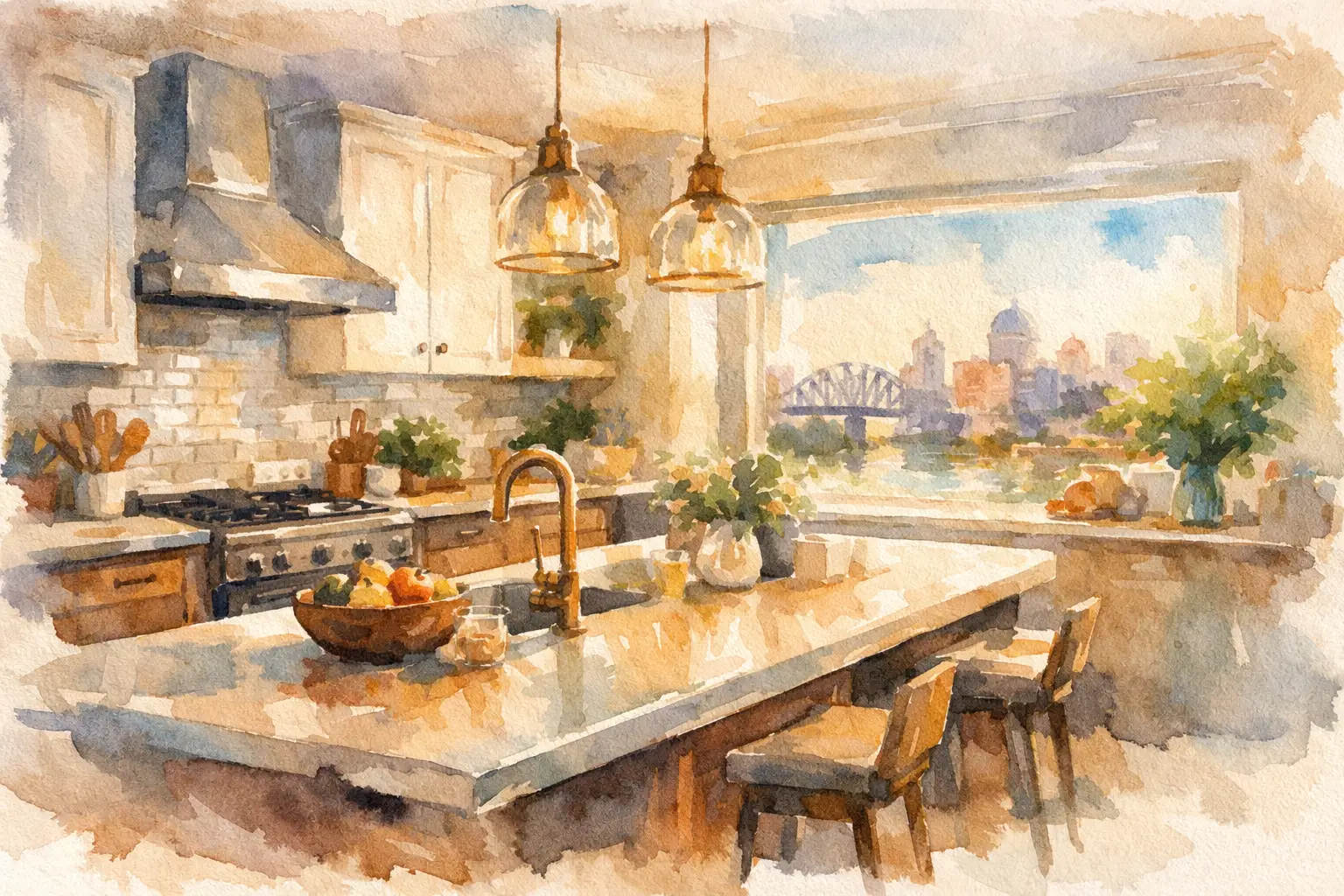
A kitchen can look dated long before it stops working. The cabinet doors still close, the lights still turn on, and the counters still hold the coffee maker. But when the room feels cramped, cluttered, or disconnected from daily life, that is usually when homeowners start paying attention to kitchen remodeling trends Louisville families are actually using in real homes.
The biggest shift right now is simple. People are not remodeling just to make the kitchen look newer. They want the space to work better on weekday mornings, during family dinners, and when friends stop by. That changes the conversation. Instead of chasing fads, more Louisville-area homeowners are choosing updates that improve flow, storage, comfort, and long-term value.
A few years ago, many kitchen projects focused on surface-level updates. Fresh paint, new hardware, and replacement countertops were often enough to make the room feel improved. Today, homeowners are looking deeper. They want to solve the parts of the kitchen that frustrate them every day.
That often starts with the layout. Closed-off kitchens, narrow walkways, and awkward work zones are falling out of favor. In their place, homeowners are asking for kitchens that feel more open and connected without losing function. Sometimes that means removing a wall. Other times it means reworking the island, changing appliance placement, or reshaping the cabinet plan so the room flows better.
Storage is another major priority. The trend is not just adding more cabinets. It is adding better storage. Deep drawers for pots and pans, pull-out shelves, hidden trash storage, pantry systems, and custom solutions around the way a family actually cooks are getting more attention than decorative extras. A pretty kitchen matters, but a kitchen that keeps counters clear and routines easier tends to matter more.
There is also a stronger focus on comfort. Homeowners want kitchens that feel welcoming, not cold or overly polished. That is showing up in warmer finishes, softer color palettes, layered lighting, and materials that look high-end without feeling hard to live with.
All-white kitchens still have a place, but the look is evolving. Many homeowners are moving away from bright, sterile white-on-white combinations and choosing warmer tones instead. Off-whites, creamy neutrals, light wood finishes, greige, soft green, and muted earthy colors are becoming more common.
This shift makes sense for everyday living. Warmer finishes tend to hide wear a little better, feel more inviting, and create a kitchen that blends naturally with the rest of the home. In family homes especially, people often want a space that feels relaxed and durable rather than overly formal.
Wood tones are coming back in a stronger way too. That does not always mean a full traditional kitchen. It may mean a white perimeter with a natural wood island, or stained floating shelves that soften painted cabinetry. The goal is balance. Homeowners want clean design, but they also want character.
Countertop choices are following the same pattern. Quartz remains a top pick because it is low maintenance and dependable for busy households. The trending styles, though, lean toward softer movement and more natural-looking patterns rather than high-contrast veining that dominates the room.
One of the most practical kitchen remodeling trends in Louisville is the move toward layout decisions that support real routines. This is where a remodel can make a bigger difference than cosmetic changes alone.
An oversized island is still popular, but only when it truly fits the room. In some kitchens, a large island improves prep space, seating, and storage. In others, it creates traffic problems and makes the room harder to move through. That is why the best remodels are not based on what looked good in a photo. They are based on how the household uses the kitchen every day.
Zones are also becoming more intentional. Instead of one crowded area doing everything, homeowners are asking for prep zones, coffee stations, microwave placement that keeps kids or guests out of the main cooking path, and better separation between cleanup and food prep. These are small planning choices, but they can make the whole room feel easier to use.
Walk-in pantries and pantry cabinets are both in demand. Whether a home has space for a dedicated pantry or needs a cabinet-based solution, the point is the same: people want food storage that is organized and easy to access. This is especially valuable in older homes where the original kitchen was not designed for modern shopping habits, small appliances, and busy family schedules.
Technology is part of today’s kitchen design, but most homeowners are not looking for flashy gimmicks. They want convenience they will actually use.
That usually means under-cabinet lighting, better outlet placement, charging areas, quiet dishwashers, touch or touchless faucets, and appliances that improve efficiency without adding complication. Smart lighting and app-connected appliances can be worthwhile, but only if they make life easier. For many families, reliability beats novelty every time.
This is one area where trade-offs matter. A tech feature may sound appealing during planning, but if it adds cost without improving day-to-day life, it may not be the right fit. The strongest remodels tend to focus first on the permanent parts of the kitchen – layout, cabinetry, lighting, and storage – then add technology where it genuinely supports the way the home functions.
Another clear trend is moving away from perfectly matched everything. Homeowners are mixing cabinet colors, combining textures, and using contrast more selectively.
That might mean painted upper cabinets with a stained island, matte black fixtures paired with warm brass accents, or a backsplash that adds texture without overwhelming the room. The result is often a kitchen that feels more personal and less like it came from a single display board.
The key is restraint. Too many materials can make the kitchen feel busy. A thoughtful mix usually works best when one or two elements take the lead and the rest support them. This is where good planning matters. What looks layered and intentional in a finished kitchen can quickly become disjointed if the selections are not tied together.
Not every homeowner needs a full tear-out remodel. For some kitchens, especially those with a workable layout and solid cabinet boxes, refacing can be a smart option.
This is one of those situations where it depends on what is driving the project. If the biggest issue is an outdated appearance, worn cabinet fronts, or a need for a more current style, refacing may provide a meaningful refresh with less disruption. If the kitchen suffers from poor flow, limited storage, or inefficient use of space, a full remodel usually makes more sense.
Budget matters, but so does scope. Homeowners often get the best value when they match the project to the actual problem instead of assuming every kitchen needs the same level of renovation.
Trends can be helpful, but they are not a substitute for a plan. A kitchen should fit the home, the family, and the way the space is used. What works beautifully in one house may not make sense in another.
Older homes may need more attention to structural limitations, outdated electrical systems, or floorplan challenges. Newer homes may have enough square footage but still need better organization and more personality. Families with kids may prioritize durable materials and easy cleanup, while empty nesters may focus on entertaining, accessibility, or long-term comfort.
This is why the best remodeling decisions usually start with a few practical questions. What feels frustrating in the current kitchen? Where does clutter build up? Which parts of the layout slow you down? What would make the space easier to live in five years from now, not just prettier next month?
For homeowners in Louisville and nearby communities, the most successful kitchens are the ones that balance current style with everyday function. They do not chase every new idea. They solve real problems, use quality materials, and create a room that feels good to spend time in.
At 3C Remodeling and Construction, that is how we look at kitchen design. The goal is not just to update finishes. It is to create a kitchen that supports your routine, fits your home, and feels like it was planned for the way you actually live.
If you are thinking about remodeling, the smartest place to start is not with a trend board. It is with an honest look at what your kitchen needs to do better every day.
Business Name: 3C Remodeling and Construction
Address: 1902 Campus Pl Suite 12, Louisville, KY 40299
Phone: 502-827-1361
Business Hours:
Mon - Fri: 08:00 AM to 05:00 PM
Sat-Sun: Closed
Referral program available