
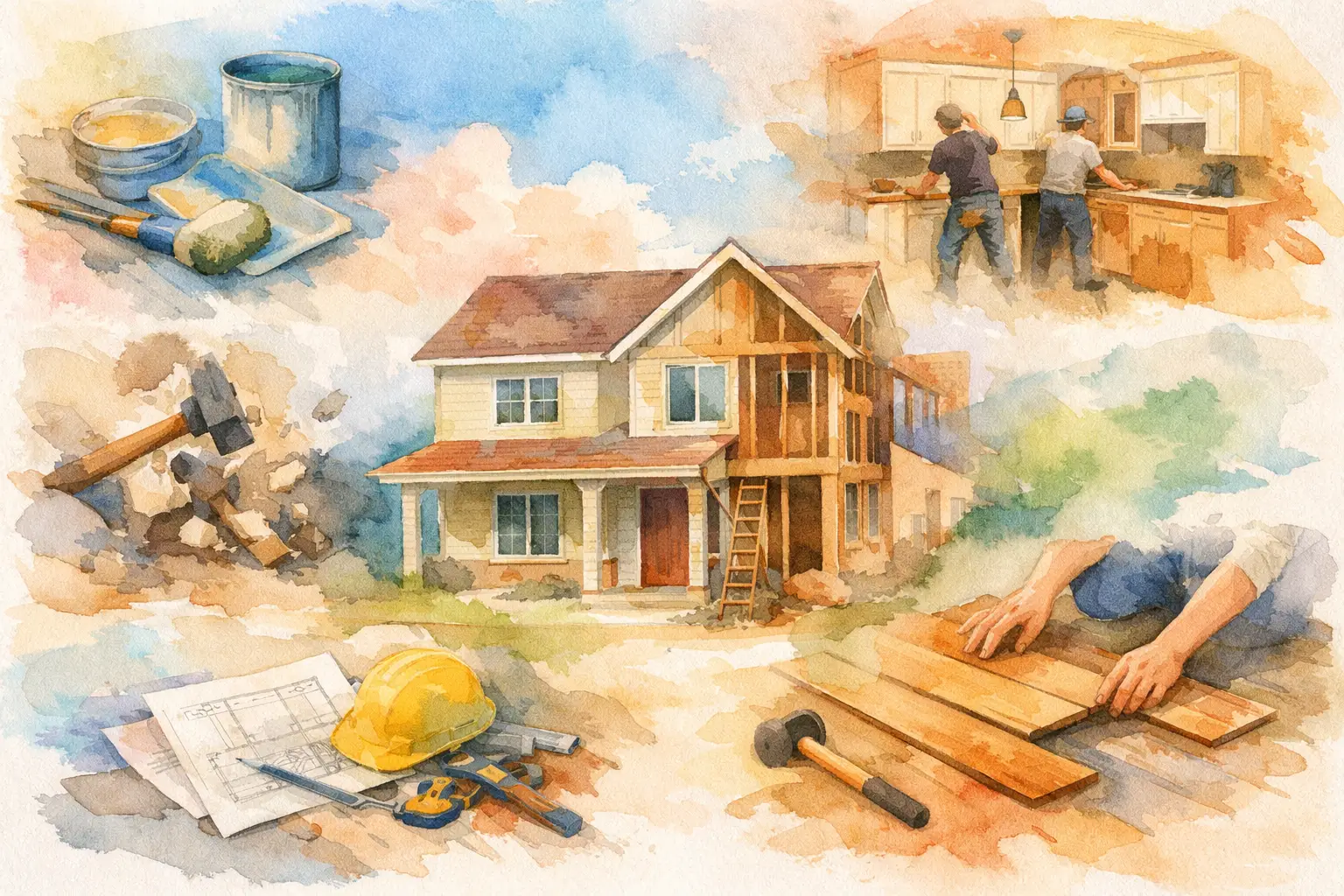
If you renovate in the wrong sequence, you usually pay for it twice. New floors get scratched during demolition, freshly painted walls get opened back up for electrical work, and a beautiful kitchen install can stall because the plumbing behind it was never fully addressed. That is why homeowners ask what order to renovate a house before they start choosing tile, cabinets, or paint colors.
The short answer is this: plan first, then handle anything structural or behind the walls, and save the finish work for the end. The better answer is a little more detailed, because every house has its own problems, priorities, and budget limits. If you are remodeling an older home in the Louisville area, for example, the right order often depends on whether you are correcting outdated systems, improving layout, or focusing on high-use spaces like kitchens and bathrooms.
A cosmetic refresh follows a different path than a whole-home renovation. If you are replacing countertops, repainting, and updating fixtures, the sequence is fairly simple. If you are moving walls, reworking plumbing, replacing flooring throughout, and remodeling multiple rooms at once, the order matters a lot more.
The biggest mistake homeowners make is planning by room instead of by phase. It feels natural to say, “We will finish the kitchen, then move to the bathroom.” In practice, remodeling usually works better when you think in layers. Demolition, framing, mechanical work, insulation, drywall, flooring, cabinetry, trim, and paint all affect more than one space. Organizing the project this way keeps trades moving in the right direction and cuts down on expensive backtracking.
Before any work begins, get clear on what you are actually changing. This is the stage where you define goals, set a realistic budget, and make layout decisions. If your kitchen feels cramped, your bathroom lacks storage, or your basement is underused, now is the time to solve those problems on paper before anyone touches the house.
This stage should also include product selections earlier than most people expect. Cabinets, vanities, flooring, plumbing fixtures, and certain specialty materials can have long lead times. Waiting too long to choose them can delay the project or force rushed substitutions. Good planning does not mean every decorative detail is decided on day one, but the major pieces should be.
It is also smart to build a contingency into your budget. Older homes can hide water damage, outdated wiring, subfloor issues, or plumbing problems that only show up once demolition starts. A little room in the budget helps you respond without derailing the whole project.
Once the design and scope are defined, demolition is typically the first physical step. This is where old cabinets, flooring, tubs, drywall, non-load-bearing walls, and worn finishes come out. The goal is not to tear out everything just because you can. The goal is to remove what needs to go so the real work can begin cleanly.
Selective demolition matters. In some projects, especially when homeowners want to preserve certain finishes or keep part of the house functional, careful demo protects what is staying. That can be especially useful in phased renovations where a family is living in the home during the work.
After demolition, the house tells the truth. This is often when hidden issues become visible, and it is much better to find them before installing anything new.
If walls are moving, openings are being widened, or structural repairs are needed, this should happen before plumbing, electrical, or HVAC rough-ins. Layout changes affect almost every other part of the job. For example, if you are opening a kitchen to a living area, adding a pantry, or expanding a bathroom, framing has to define the new space first.
This is also the phase for repairing damaged framing, leveling floors where needed, and addressing any basic building issues that could affect the finished result. It may not be the exciting part of remodeling, but it has a huge impact on how the finished space looks and functions.
This is the behind-the-walls stage, and it should always happen before insulation and drywall. Any new wiring, relocated outlets, updated plumbing lines, venting, recessed lighting, fan installations, or ductwork changes need to be completed now.
This phase matters even more in kitchens, bathrooms, and basements because these spaces depend heavily on mechanical systems. If you are adding an island, relocating a shower, improving ventilation, or upgrading lighting, rough-in work sets the foundation for all of it.
This is also when permits and inspections often come into play, depending on the project. A properly managed renovation keeps these checkpoints moving so the next phases are not delayed.
Once the rough work is complete and inspected as needed, insulation and drywall usually follow. At this point, the project starts looking less like a construction site and more like a home again.
Drywall should be finished before most final installations, but timing can vary a bit depending on the project. In some cases, primer is applied early to help protect the walls and improve visibility for the rest of the work. The main idea is simple: get the walls ready before installing the finishes that are easiest to damage.
This is the stage where homeowners often get confused, because several finish items can overlap. The right sequence depends on the materials you choose, but a common order is interior doors and trim, cabinetry, countertops, tile, flooring, and then final paint touch-ups.
Cabinet installation often comes before certain flooring types, but not always. For example, floating floors are usually installed after cabinets in many cases, while tile in a bathroom may need to be coordinated around the vanity and shower layout. Hardwood refinishing often happens before final trim and touch-up work so the new surfaces stay protected.
This is where a good contractor earns their keep. The exact order is not one-size-fits-all. Material requirements, room use, and scheduling all affect the sequence. What matters is protecting finished work while keeping progress moving.
Once cabinets, tile, trim, and flooring are in place, the project moves into final installation. This includes plumbing fixtures, light fixtures, mirrors, appliances, cabinet hardware, shelving, and other finish details.
Then comes punch work. That means correcting the small things that naturally come up near the end of a remodel – paint touch-ups, adjusting doors, checking trim joints, testing fixtures, and making sure everything works the way it should. This is also when the space gets its final cleaning and becomes ready for everyday use.
Not every homeowner wants or needs a whole-home renovation at once. If you are remodeling in stages, the best order often starts with the spaces that affect daily life the most or require the most invasive work. Kitchens, primary bathrooms, and older basements are common starting points because they combine function, storage, comfort, and resale value.
That said, there are trade-offs. Starting with the kitchen can deliver the biggest day-to-day improvement, but it can also be the most disruptive. Starting with a basement may cause less interruption upstairs, but it may not solve the storage or layout issues you feel every day. The right choice depends on how you live, what needs attention now, and how long you plan to stay in the home.
For many families, it also makes sense to complete any dusty, noisy, or system-related work before investing in cosmetic updates elsewhere. There is little benefit in repainting the whole interior if you know electrical upgrades or wall changes are still coming.
For most mid-sized to large projects, the sequence is planning and selections, demolition, structural or framing changes, plumbing and electrical rough-in, insulation and drywall, cabinetry and built-ins, flooring and tile, finish carpentry, painting and touch-ups, then fixtures and final details.
That order is not flashy, but it protects your budget and helps the finished work stay finished.
A well-run remodel should feel organized, not chaotic. That starts with a clear scope, honest expectations, and a sequence that respects how homes are actually built. If you are trying to decide what to tackle first, focus less on what looks fun to choose and more on what needs to happen underneath it. The best renovation results usually come from doing the unglamorous steps in the right order, so the rooms you use every day work better for years to come.
Business Name: 3C Remodeling and Construction
Address: 1902 Campus Pl Suite 12, Louisville, KY 40299
Phone: 502-827-1361
Business Hours:
Mon - Fri: 08:00 AM to 05:00 PM
Sat-Sun: Closed
Referral program available