A kitchen can feel dated long before its cabinets stop doing their job. If the cabinet boxes are sturdy, the layout works for your household, and the doors are simply worn or out of style, refacing may be a practical alternative to a full renovation. But homeowners often ask, what is included in kitchen refacing – and the answer depends on the condition of the kitchen and the level of finish you choose.
Kitchen refacing focuses on renewing the visible surfaces of existing cabinets while keeping the cabinet boxes in place. It can create a significant visual change with less demolition than a complete kitchen remodel. Still, it is not a one-size-fits-all service. A clear scope of work helps you understand what you are paying for, what can be improved, and where a larger renovation may make more sense.
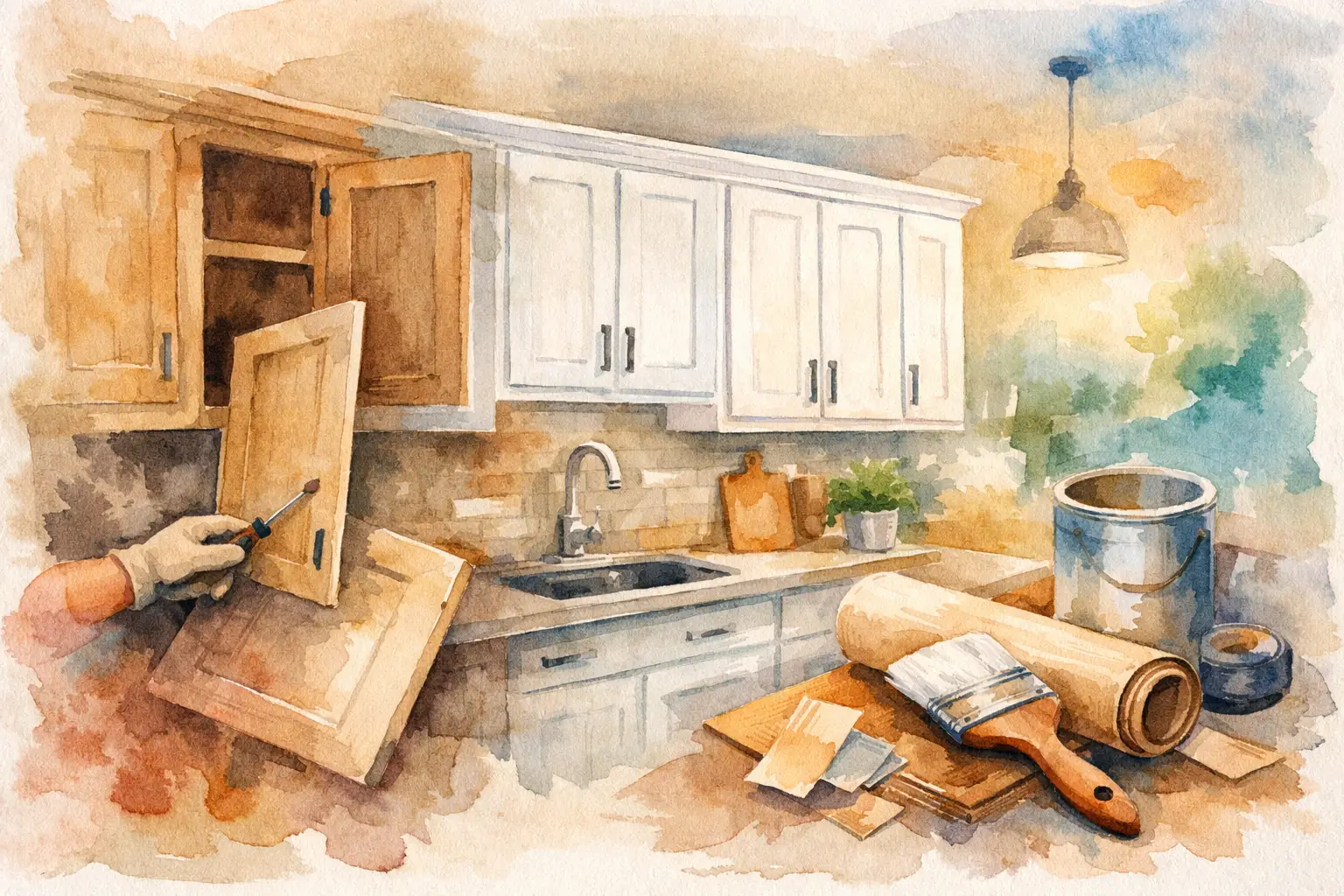
At its core, kitchen refacing includes updating the exterior of your existing cabinetry. The cabinet boxes remain, but the fronts and exposed surfaces receive a new finish so the kitchen has a more cohesive, current appearance.
A typical project starts with an evaluation of the cabinet structure. Before refacing begins, a contractor should look for water damage, sagging shelves, loose joints, deteriorated particleboard, or other concerns that could affect the result. Refacing is designed for cabinets that are fundamentally sound. Covering damaged boxes may improve appearance temporarily, but it does not solve the underlying problem.
Once the existing cabinets are approved for refacing, the work generally includes new cabinet doors and drawer fronts, a matching material applied to the visible cabinet frames, and updated hardware. The exact materials, door style, and available upgrades vary by project.
The most noticeable part of a refacing project is replacing the old doors and drawer fronts. Homeowners can choose a style that better fits the rest of the home, whether that means clean Shaker doors, a traditional raised-panel look, or a simple flat-front design.
Door and drawer-front materials may include wood, wood veneer, rigid thermofoil, or other manufacturer-approved options. Each has trade-offs. Wood offers a classic appearance and can work especially well in homes with warm, traditional finishes. Thermofoil can provide a smooth, consistent painted look, though it may not be the right choice near excessive heat or in kitchens where long-term durability is the top priority. The best choice depends on your style, budget, and how your kitchen is used every day.
The exposed face frames, end panels, and other visible parts of the existing cabinet boxes need to match the new doors. This is what makes refacing look intentional rather than like new doors placed on old cabinets.
Depending on the cabinetry, the contractor may apply wood veneer, laminate, or another matching surface material to those exposed areas. Side panels can also be added or replaced where needed to give islands, peninsula ends, and exposed cabinet sides a finished appearance. Careful color and grain matching matter here. A quality refacing job should look consistent from the kitchen entrance, not only from straight ahead.
New doors typically receive new hinges, and many homeowners choose updated cabinet pulls or knobs at the same time. These details are small, but they influence how the kitchen feels and functions. Soft-close hinges can reduce slamming, while longer pulls can be easier to grip for family members who find small knobs less comfortable.
Hardware is often selected after door style and finish because the combination matters. Matte black hardware may suit a modern painted cabinet, while brushed nickel or warm brass can complement more traditional finishes. Your contractor can help make sure handle placement is consistent and practical across doors and drawers.
Kitchen refacing can be a focused cabinet update, but it also creates a convenient opportunity to make selected improvements. These additions are not automatically included, so it is worth discussing them early in the planning process.
Many homeowners add crown molding, light rail, decorative end panels, or valances to create a more finished cabinet design. If upper cabinets currently stop short of the ceiling, molding can help reduce that unfinished gap. Others add new cabinet trim around an island or peninsula to give it more furniture-like character.
Storage upgrades may be possible, especially inside cabinets that are already in good condition. Pullout trays, roll-out waste bins, drawer organizers, spice storage, and lazy Susans can make routine cooking and cleanup easier. These features are particularly helpful in Louisville-area homes where the kitchen layout works but the original storage was not designed around how the current family uses the space.
Countertops, backsplashes, sinks, faucets, lighting, and flooring may also be updated alongside cabinet refacing. Those items are separate from the refacing work itself, but combining them can produce a more complete change. A new countertop, for example, may require disconnecting and reconnecting plumbing or coordinating a sink replacement. That is why a detailed estimate should separate the cabinet work from the additional selections and labor involved.
Refacing improves the cabinet finish and can add useful details, but it generally does not change the kitchen’s footprint. The existing cabinet boxes stay where they are. If you need to move the sink, remove a wall, relocate the range, expand the kitchen, or substantially rework traffic flow, you are likely looking at a full kitchen remodel instead.
It also does not automatically repair structural cabinet damage, replace worn flooring, upgrade electrical wiring, or resolve plumbing issues. Those needs can sometimes be addressed as part of a broader project, but they should be identified before work starts rather than discovered halfway through the job.
This distinction matters because many kitchens have two separate problems: an outdated appearance and an inefficient layout. Refacing addresses the first very well when the second is not a major concern. If your family is constantly bumping into each other, lacks counter space, or cannot access storage easily, keeping the same cabinet configuration may not deliver the change you really want.
Refacing is often a strong option when cabinet boxes are solid, doors are worn or dated, and the current layout still supports how you cook, gather, and store everyday items. It can also be a smart choice for homeowners who want a meaningful update without the cost and disruption of replacing every cabinet.
A full remodel may be the better investment when cabinets have significant moisture damage, the boxes are poorly built, or the layout creates daily frustration. The same is true when you want larger drawers, a new island, more pantry storage, or major appliance changes that existing cabinetry cannot accommodate.
Consider your long-term plans as well. If you expect to stay in the home for many years, it may be worth evaluating whether refacing will meet your needs or simply postpone a larger change. If the kitchen is functional and you want to refresh it before selling or settling into the next stage of life, refacing can offer a practical, attractive result.
A clear proposal should explain exactly what surfaces will be refaced, which doors and drawer fronts are being replaced, and what finish material will be used on the cabinet frames. Ask whether hinges and hardware are included, whether visible end panels will be finished, and how any damaged areas will be handled.
You should also ask about what happens to countertops, backsplash, sink plumbing, and appliances during the work. Sometimes those elements can remain in place; other times, a particular upgrade requires removal or additional labor. Knowing this before selections are finalized helps prevent avoidable surprises.
Finally, ask who will manage communication and confirm the installation schedule. Family-owned local contractors such as 3C Remodeling and Construction can help homeowners compare refacing with a full remodel based on the home, the budget, and the way the kitchen needs to function – not just on a showroom sample.
A well-planned refacing project should leave you with more than prettier cabinet doors. It should give your kitchen a finished, coordinated feel and make the space more enjoyable to use without paying for changes your home does not actually need.
Business Name: 3C Remodeling and Construction
Address: 2185 Watterson Trail, Louisville, KY 40299
Phone: 502-827-1361
Business Hours:
Mon - Fri: 08:00 AM to 05:00 PM
Sat-Sun: Closed
Referral program available